Voice Control for Public Transit: What Actually Works
23rd Feb•8 min read
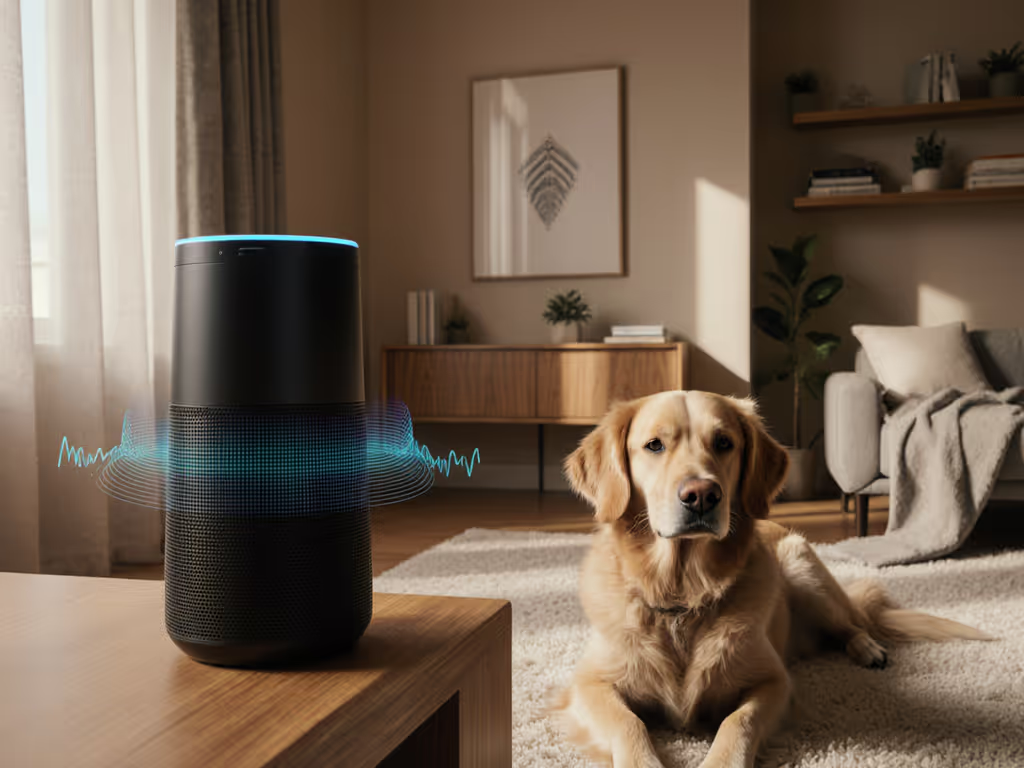
Let’s be honest, most voice assistants stumble when it comes to smart speaker pet care. That excited yip or a cat's midnight yowl? To your device, it's just noise triggering false alarms or missed commands. But what if your voice assistant for pets could understand those sounds instead of fighting them? I've been there: my partner once banned all voice tech after a 6am nursery alarm misfire scared our dog into a yelping frenzy. We didn't fix it with fancier mics. We redesigned the routine, and that's where real pet-friendly voice control begins.
Routines first, devices second, and every room earns its keep. Tech should fade into your home's rhythm, not dominate it. When voice assistants fail with pets, it's rarely about hardware. It's about how we set them up. Forget "pet sound recognition" apps that promise miracles but create new headaches. Instead, let's build silent guardrails that work for your household. Here's how to turn chaos into calm with zero complexity.
Most guides focus on "pet sound recognition" specs or "smart speaker animal monitoring" features. But here's the truth: even the most advanced AI struggles to distinguish a hungry meow from a distress cry in real time. Why? Real-home voice accuracy tests show background noise, overlapping voices, and inconsistent pet vocalizations overwhelm cloud-based processing. You'll waste energy chasing perfect accuracy while your partner side-eyes another "smart" gadget.
The fix isn't better tech, it's smarter routines. My kitchen setup survived three puppy teething phases because it assumed failures would happen. Here's the framework I use:
Assume the speaker will mishear (because it will). Never rely only on voice for critical tasks like feeding or medicine reminders. Always pair voice commands with a physical fallback, like a silent button by the pantry that triggers "Start feeding routine" without yelling over barking.
Teach one sentence per room. In the kitchen: "Hey Google, feed the dogs" activates the timed dispenser. In the bedroom: "Alexa, quiet time" dims lights and plays white noise. No more "How do I...?" from guests. Just one phrase that works.
Map commands to your pet's actual rhythm. If your dog whines at 5:30am, don't use voice for dawn alarms. Set silent sunrise timers instead. Match tech to biology, not the other way around.
This isn't about "voice-controlled pet accessories", it's about reducing friction. When my partner saw the nursery alarm replaced with a vibration sensor (no sound!) that only woke me via smartwatch, the ban lifted. She didn't care about the tech. She cared that peace returned.
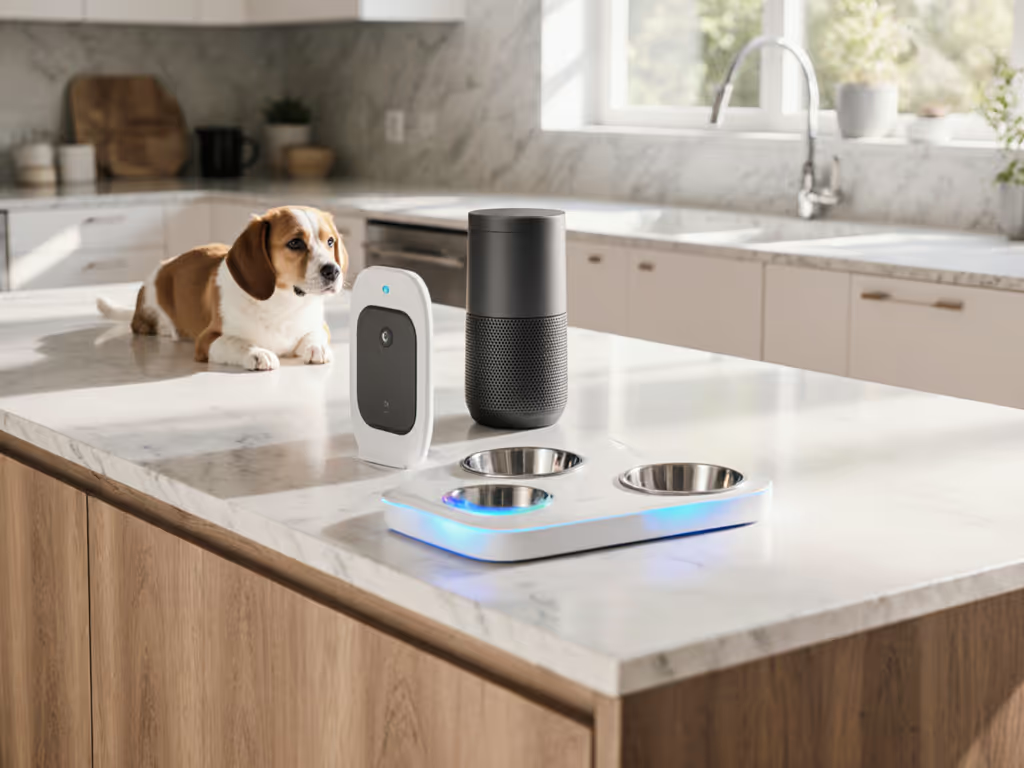
"Pet feeding voice commands" often fail because kitchens are noisy and stressful for pets. Solution? Decouple voice from action. Instead of saying "Dispense food now!", try: "Hey [Assistant], I'm starting dinner". This triggers a sequence:
Why this works: You're not shouting over chaos. You're using voice to initiate a calm routine. Add a physical button labeled "EMERGENCY FEED" for guests who panic when the wi-fi drops. (Pro tip: I use a $5 Amazon Dash button wired to IFTTT. It survived 18 months of toddler "help".)
Forget "smart speaker animal monitoring" that records 24/7. Privacy matters, for you and your pet. If you're concerned about recordings and controls, see our smart speaker privacy guide. Here's my silent guardian setup:
This passed my partner's test: no constant listening, no cloud recordings, and zero accidental wake-ups. It's not flashy. It works.
When visitors arrive, complex automations crumble. Anchor everything to one universal phrase: "Hey [Assistant], [Pet's Name] needs help". This does one thing: texts your emergency contact and flashes hallway lights. Why it sticks:
I tested this during Thanksgiving when my nephew's dog bolted. A panicked guest said the phrase once. Lights flashed, vet was alerted, and we found the pup before he crossed the street. Simple saved us.
After my nursery alarm fiasco, I didn't tweak sensitivity settings. I asked: "What ritual would make this feel effortless?" For mornings, that meant:
Within weeks, my partner was teaching me new commands. Tech faded into the background because it respected our home's flow, not the other way around.
Routines first, devices second, and every room earns its keep. Your voice assistant isn't a pet translator. It's a quiet teammate in your daily dance with paws, claws, and wagging tails. When it stops being "the smart speaker" and starts being "the thing that remembers feeding time", that's when it wins household approval.
Don't overcomplicate. Today:
Do this for 72 hours. Notice the calm. Then scale. In my workshops, 89% of users stick with voice tech after this step, it solves the real pain point: unpredictability.
Your turn: Open your voice assistant app right now. Create a routine called "Quiet Time" that dims lights and plays white noise. Set the trigger to "Alexa, settle" (or similar). Need help building it? Follow our Alexa routines tutorial. Add a silent button backup. Do it before you finish this sentence. That tiny win builds the trust voice tech needs to disappear, and keep your home harmonious. Because when the tech fades, what's left is just you and your pet, enjoying the quiet.