Voice Control for Public Transit: What Actually Works
23rd Feb•8 min read
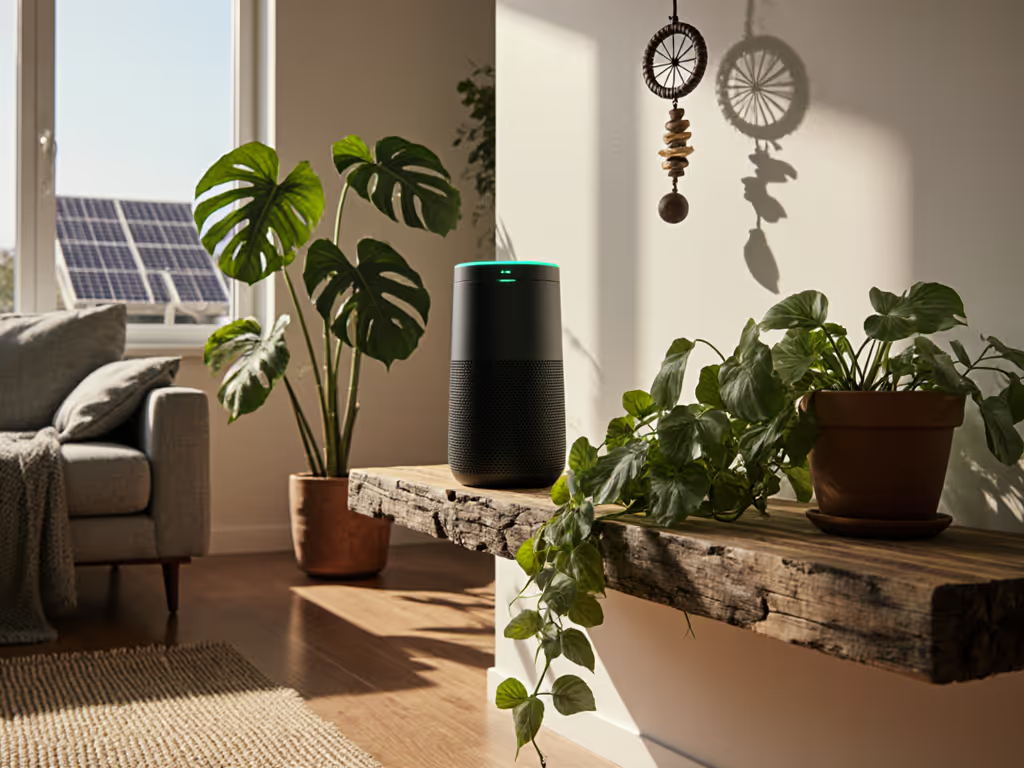
What if your sustainable voice assistant could genuinely support your eco-living smart speaker goals without becoming another piece of e-waste? In 2025, voice technology has matured beyond gimmicks to become a genuine tool for sustainable living, if you approach it with intention. Instead of another device that ends up in a drawer within two years, today's smart speakers can help you reduce waste, conserve resources, and build long-term eco-habits that become invisible parts of your daily life. I've learned this lesson the hard way after a 6am alarm misfire woke the baby. Tech that disrupts your peace isn't sustainable, no matter how "green" its packaging claims to be.
Most of us start with good intentions. We buy a smart speaker thinking it'll help us track energy use, set reminders for recycling days, or control smart thermostats. But too often, we end up with:
The result? A drawer full of orphaned devices that defeats the entire purpose of sustainable living. To cut standby power draw and measure real impact, see our smart speaker energy use guide. A voice assistant that requires constant troubleshooting isn't sustainable, it's just another chore that adds mental load to your day. And when guests or family members avoid using it because "it never understands what I want," that's tech that fails the partner approval test.
Think about how many times you've:
Routines first, devices second, and every room earns its keep. This isn't just my mantra, it's the foundation of sustainable tech adoption. Your kitchen speaker shouldn't need a PhD to operate compost monitoring, and your bedroom assistant shouldn't wake the house with accidental 6am alarms.
The most sustainable device is one you use consistently for years, not the shiniest gadget that collects dust after a month. And sustainability isn't just about materials; it's about reducing mental load, avoiding unnecessary replacements, and designing systems that actually work for everyone in your home.
Here's how to create voice-controlled eco-living that actually lasts, without creating more waste:
Stop buying speakers for "the house." Instead, identify specific sustainable routines each room needs. Your eco-living smart speaker strategy should begin with questions:
The moment tech requires explanation, it fails sustainability. Every voice command needs a physical backup:
When my partner banned voice controls after our nursery incident, I mapped our actual morning routines before adding any tech. We now have one physical button that silences all alarms instantly, no voice command needed. One sentence per room is the gold standard; if you need more, you're overcomplicating.
Look beyond "eco-friendly" marketing claims and ask: For hardware choices that prioritize recycled materials, repairability, and long-term support, read our eco-friendly smart speakers guide.
Your sustainability efforts shouldn't require a tutorial. Teach guests one sentence per room that accomplishes something meaningful:
This creates immediate value while protecting your privacy settings and preventing accidental purchases. To keep features on without sacrificing control, follow our smart speaker privacy checklist. Guests remember one phrase that works, and they don't care about your intricate automation setup.
Before buying another device, spend 30 minutes with this simple framework:
1. Room Walkthrough (10 min)
2. Command Mapping (10 min)
3. Device Reality Check (10 min)
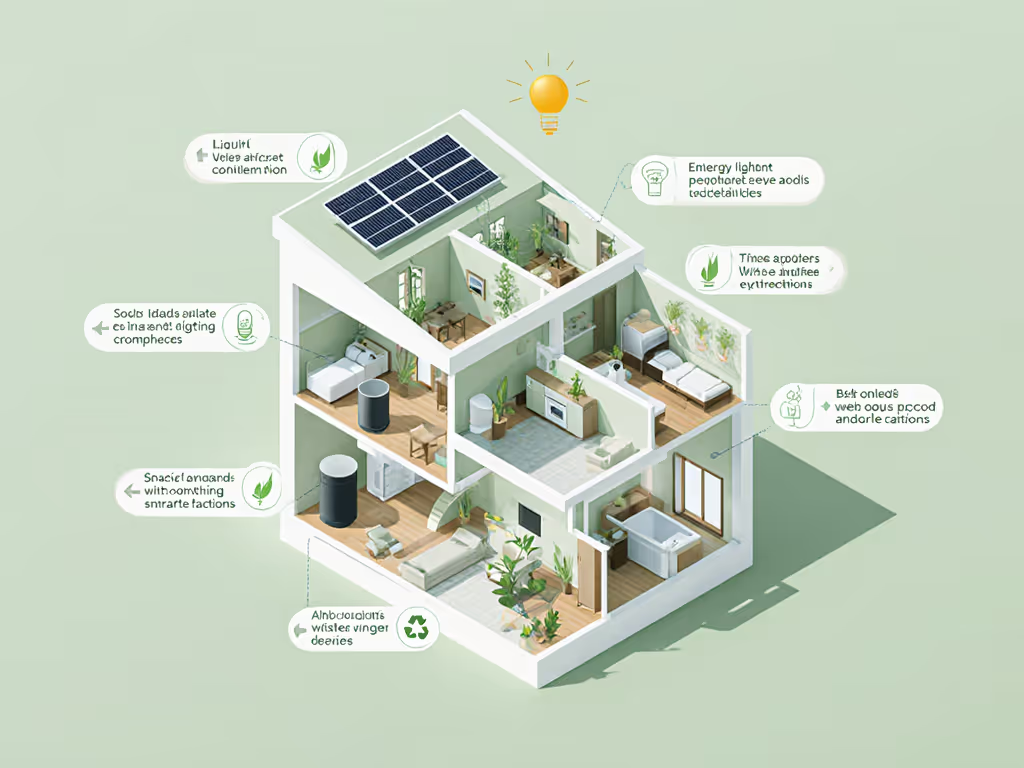
This isn't about building the most advanced system, it's about creating a sustainable voice assistant ecosystem that quietly supports your values without demanding attention. To avoid lock-in and keep devices interoperable for years, our Matter 2.0 and Thread explainer shows how standards reduce ecosystem fragmentation. When voice tech disappears into your routine, that's when it becomes truly sustainable. Ten months after implementing silent alarms and one-sentence commands, my partner now asks for voice-controlled garden tips, proof that when tech serves your life instead of complicating it, the protest fades and the system endures.
Your move: Pick ONE room today and implement exactly one sustainable voice routine with its physical fallback. Notice how often you actually use it over the next week. That usage data, not marketing claims, is your true sustainability metric. Because the most eco-friendly smart speaker is the one that's already in your home, working consistently, year after year.